Nevou: Rio Fashion, Identity, and Youth Culture
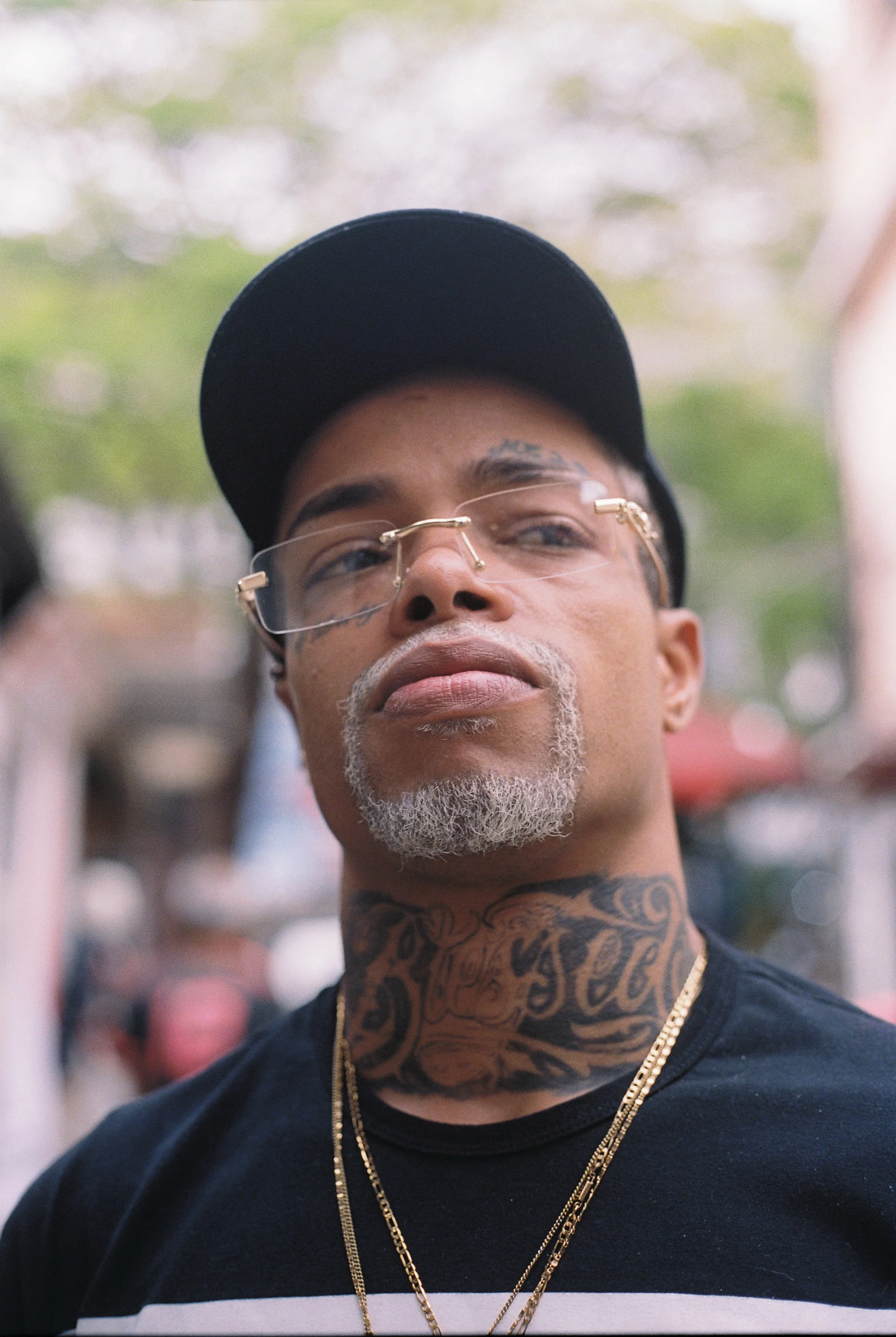
The way we adorn ourselves has always said something deeper about who we are. "Nevou" is an ongoing project by Rio de Janeiro-born photographer Violeta Reveilleau, shot in Rocinha, Brazil's largest favela. Perched on the hillsides of Rio, Rocinha is a place where generations have carved out their own identity against the odds, where style and creativity have become bold acts of resistance and identity.
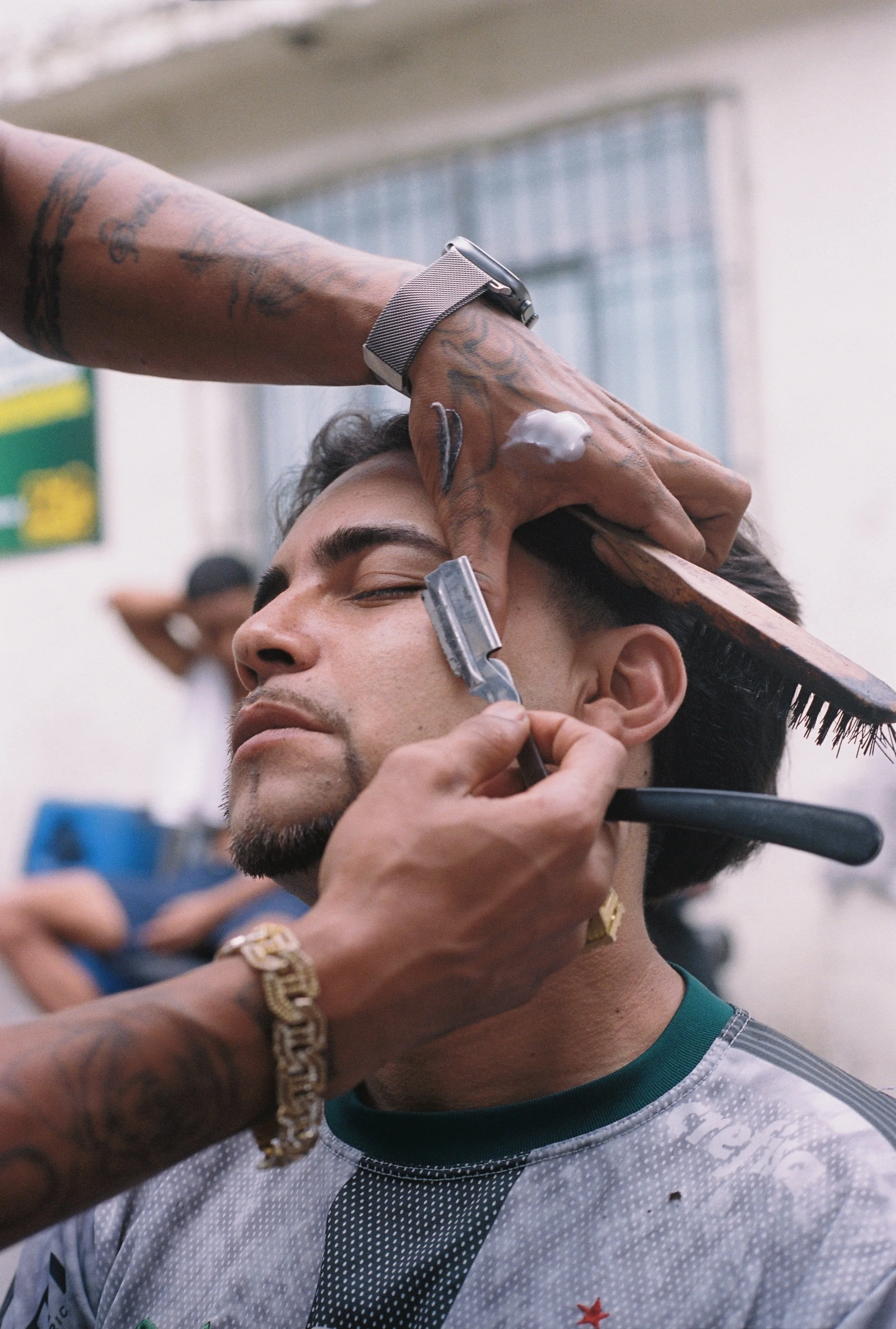
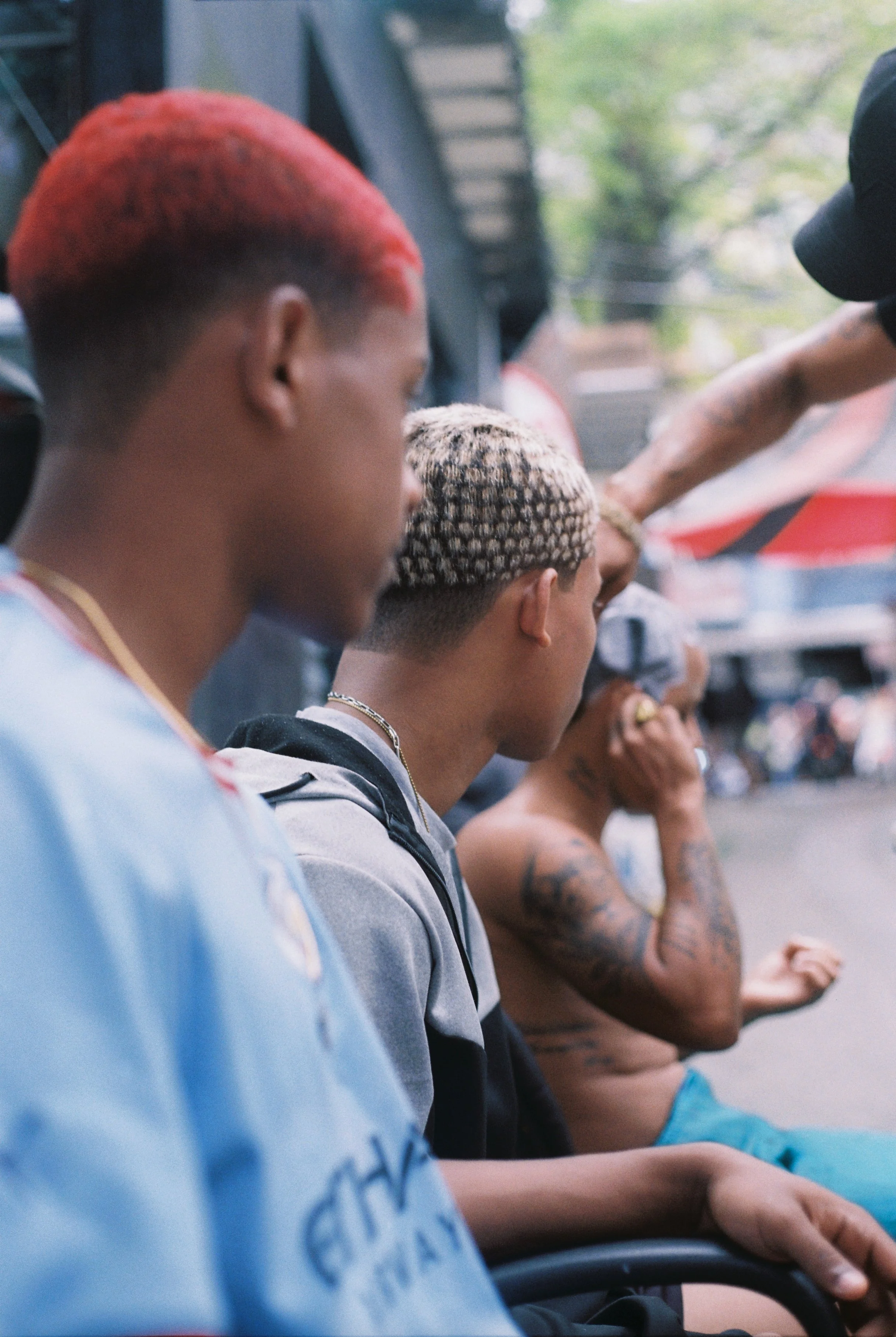
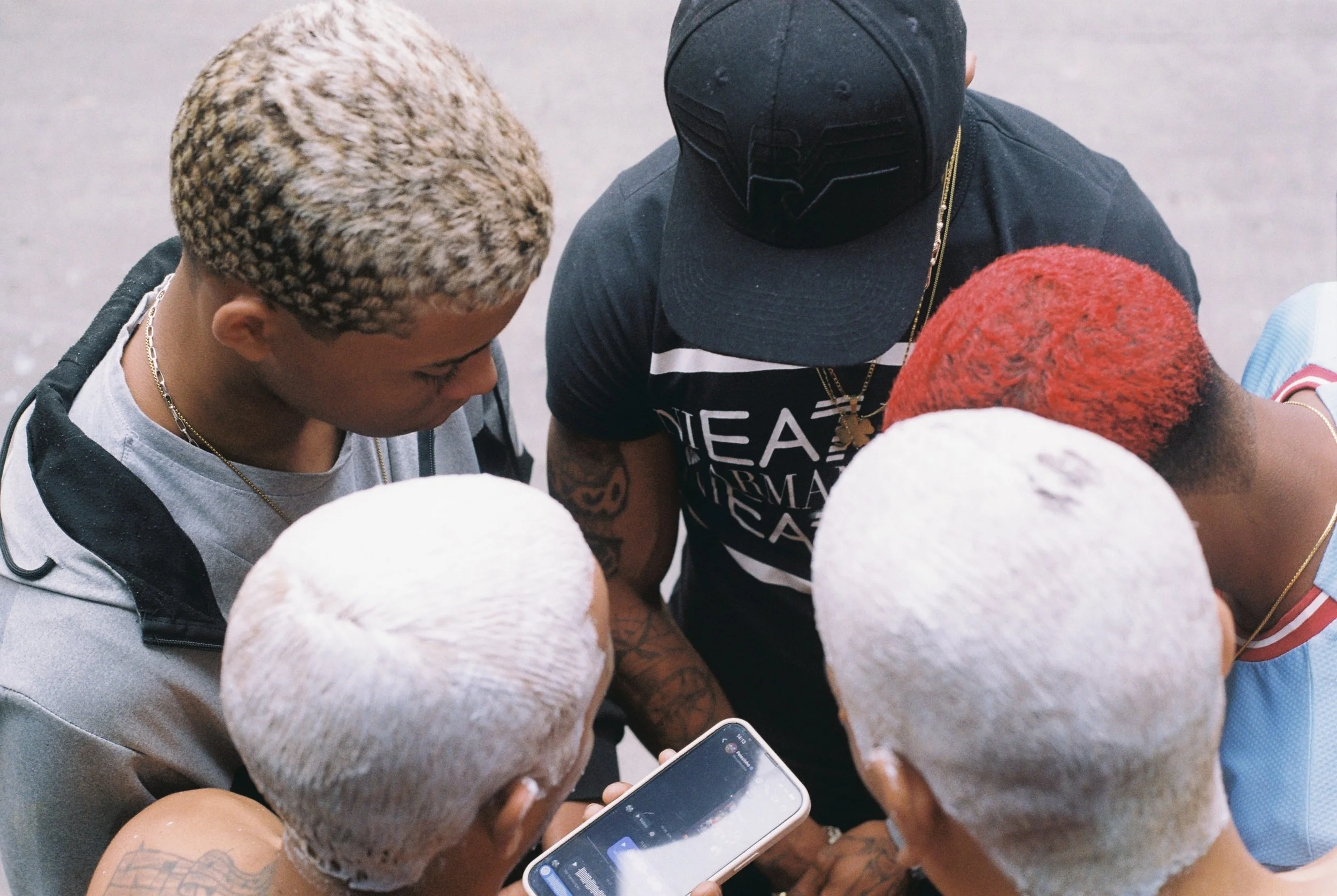
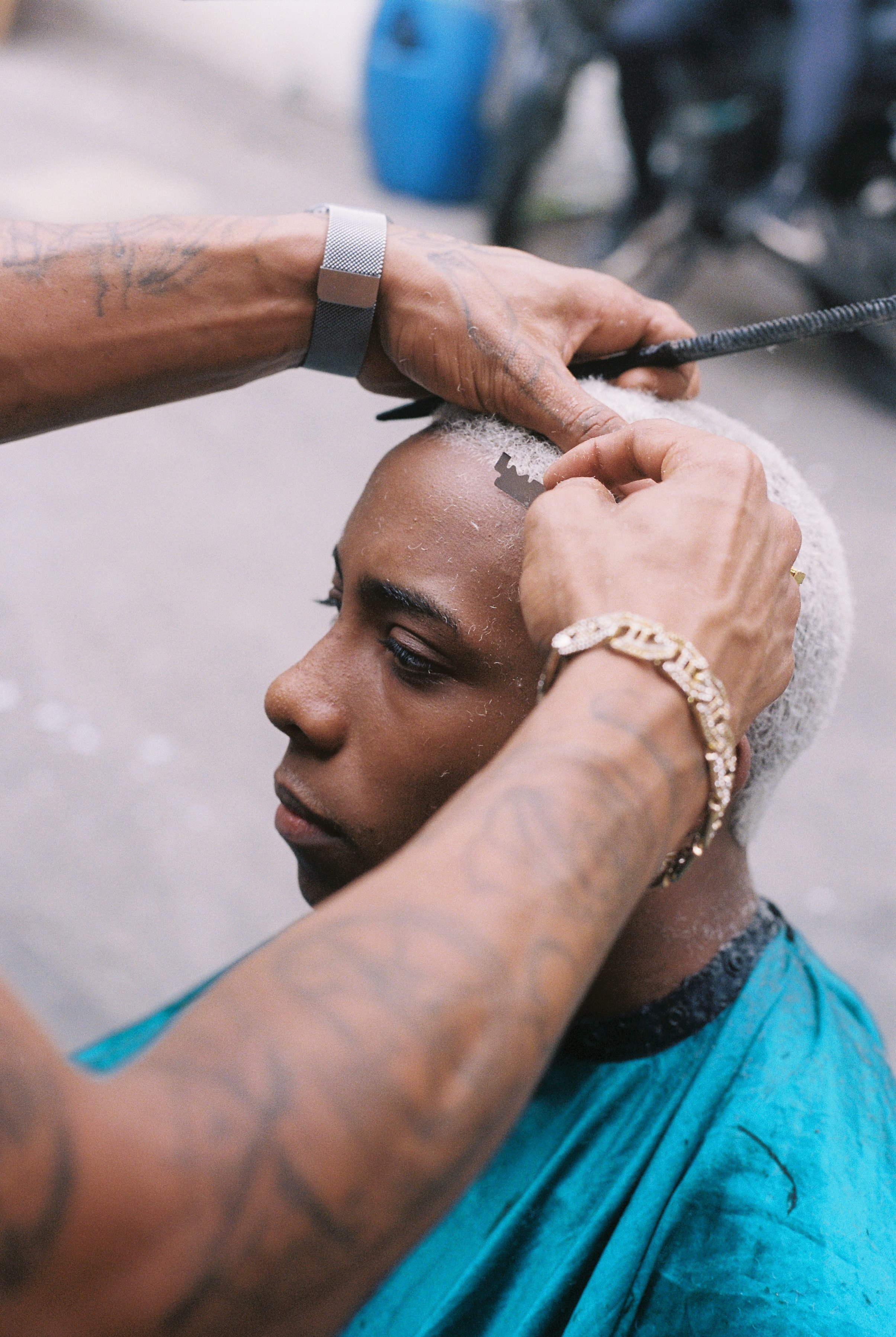
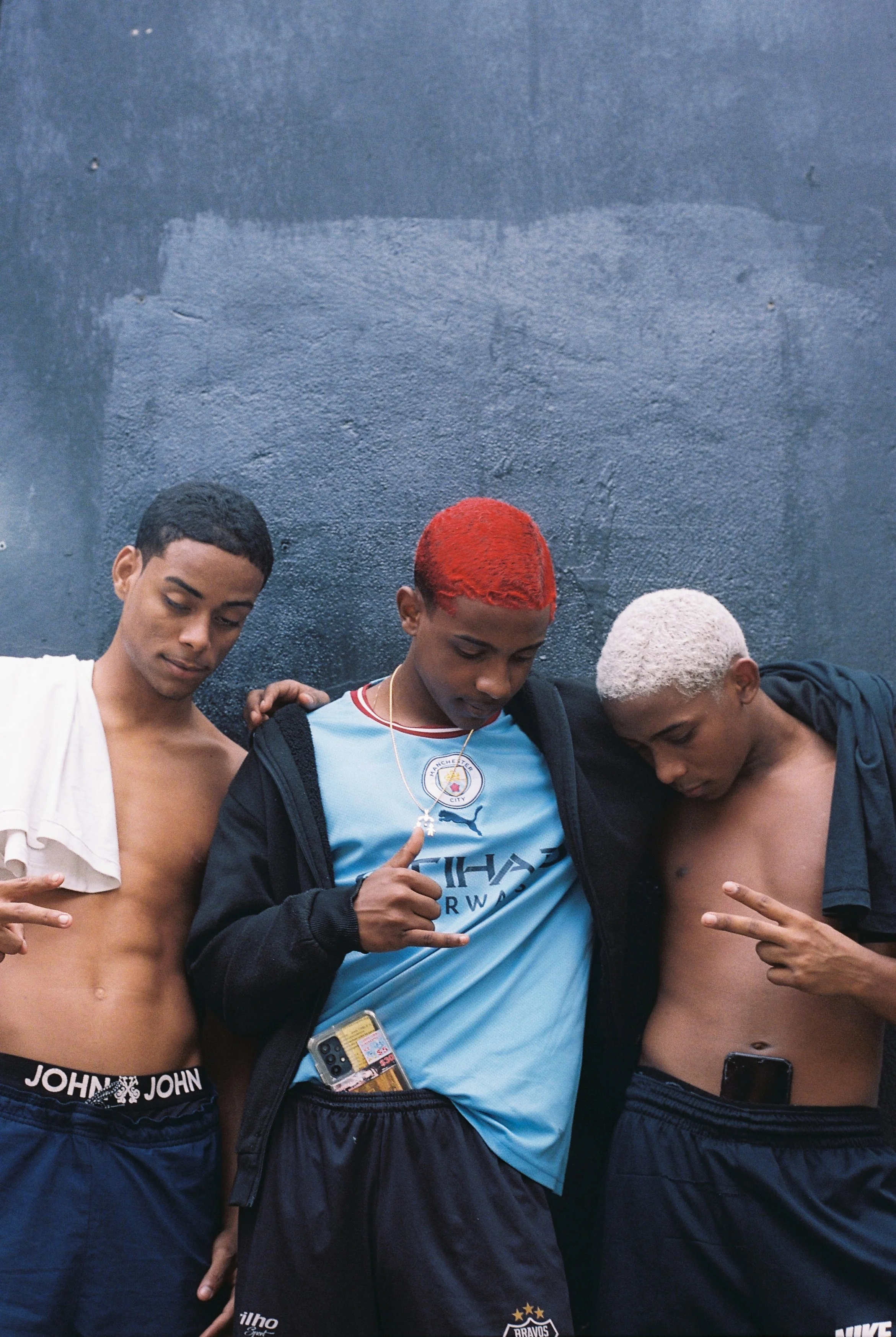
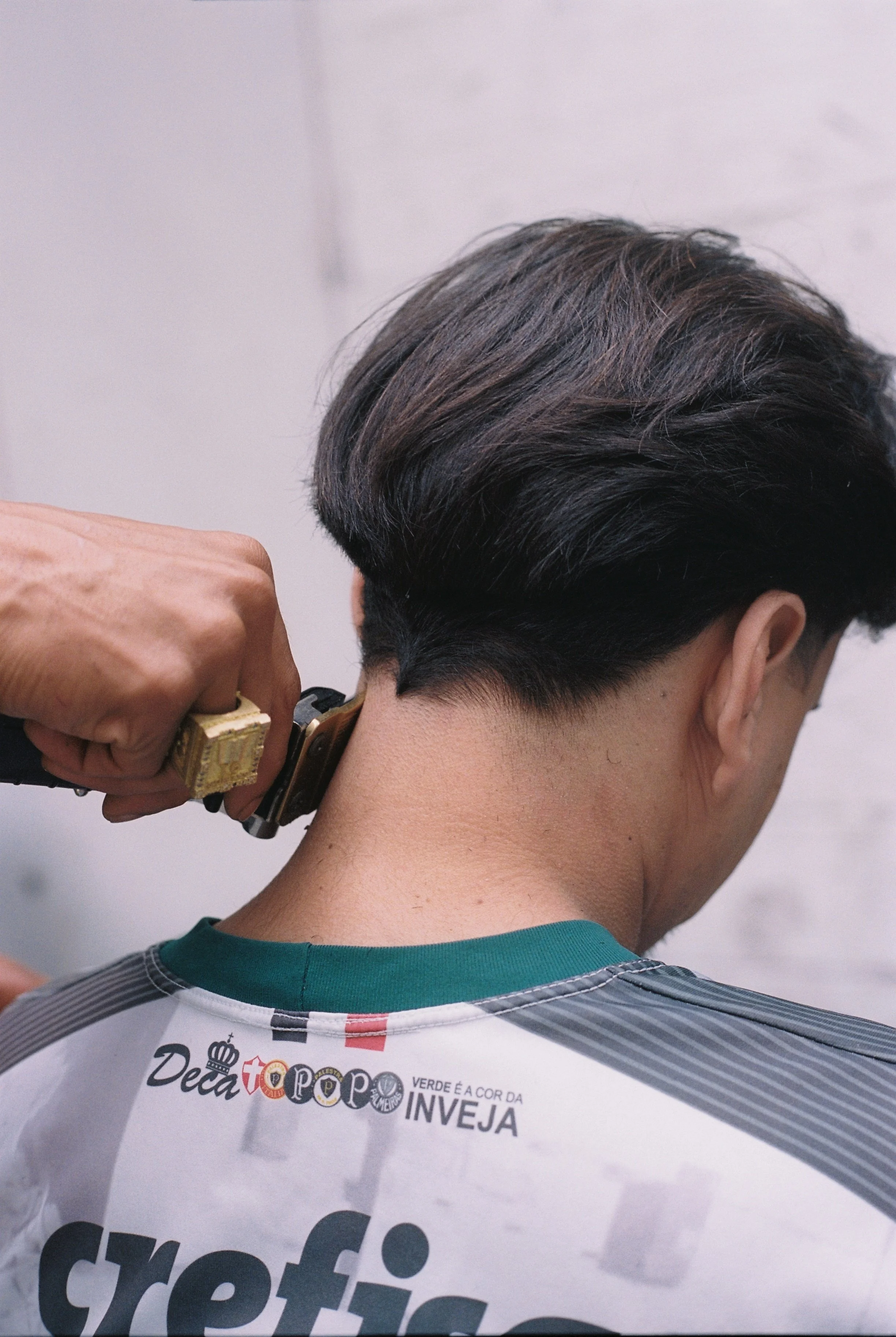
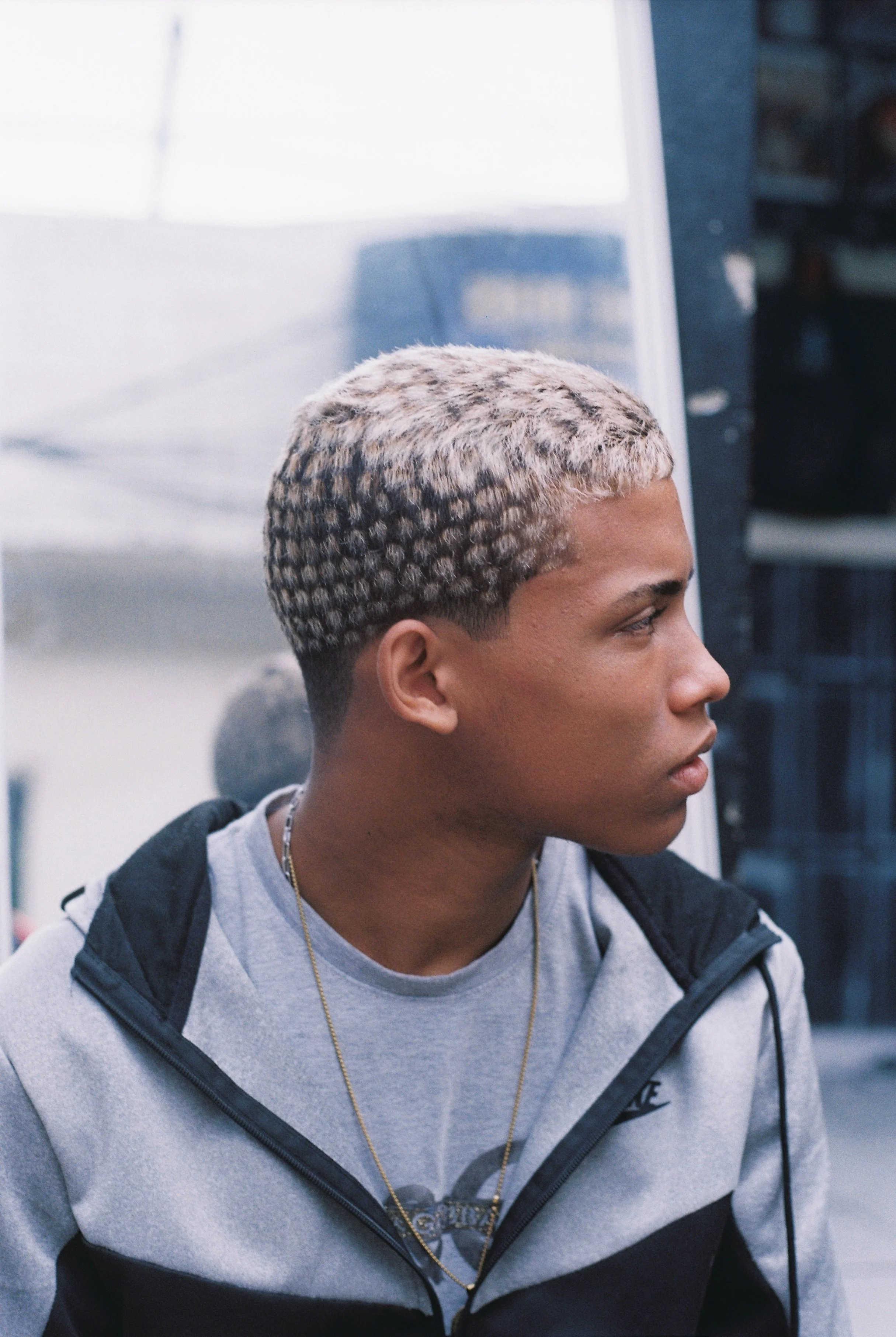
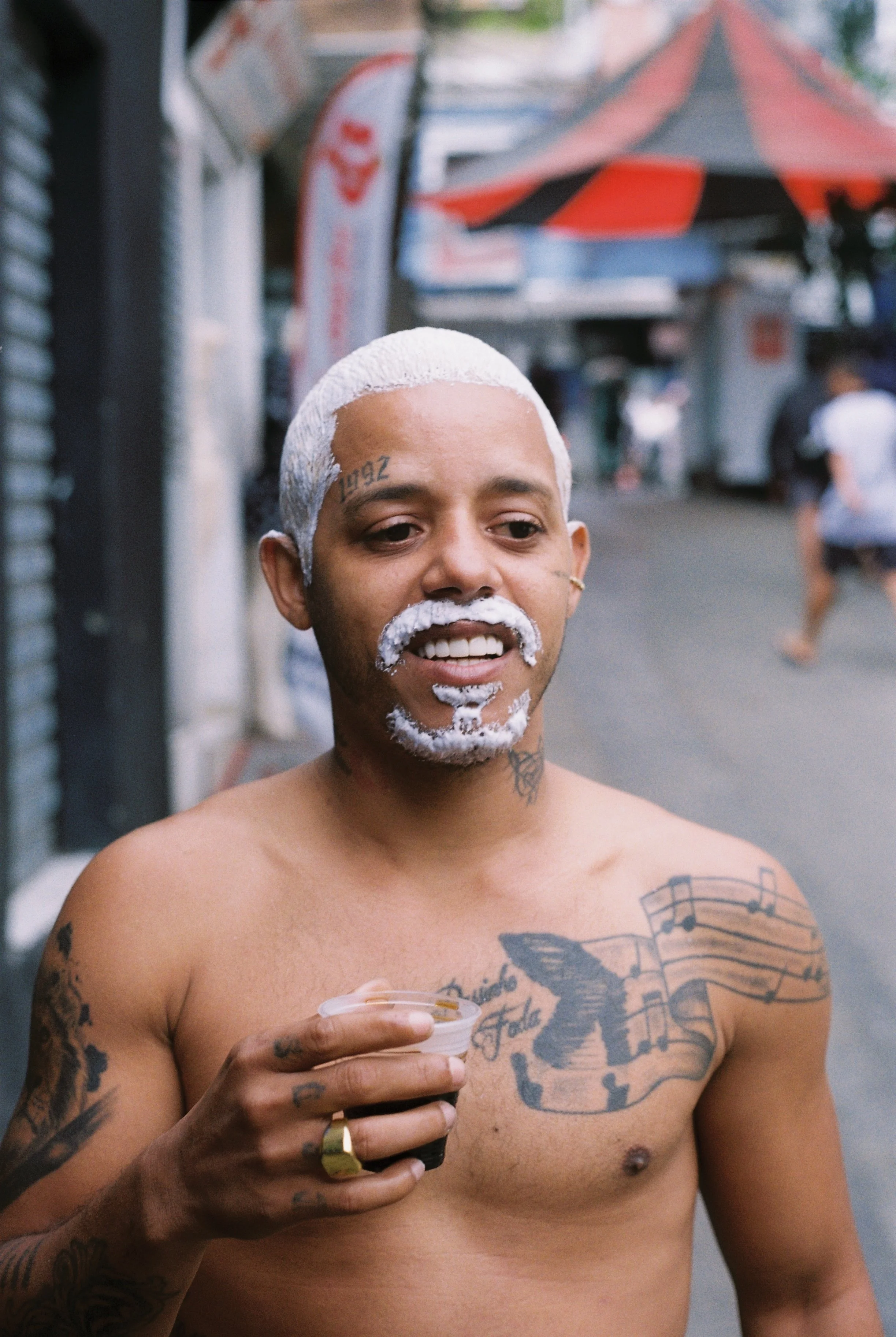
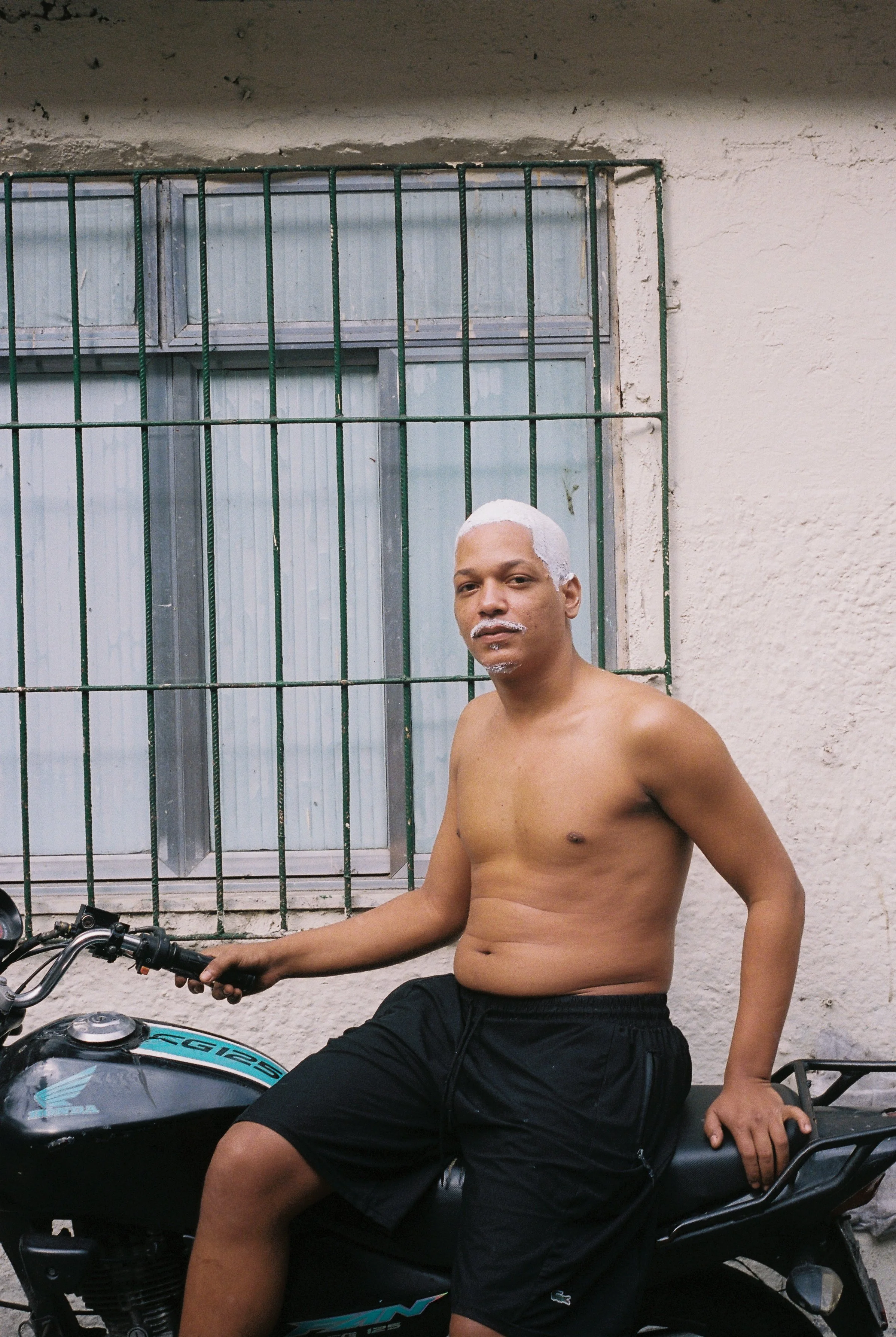
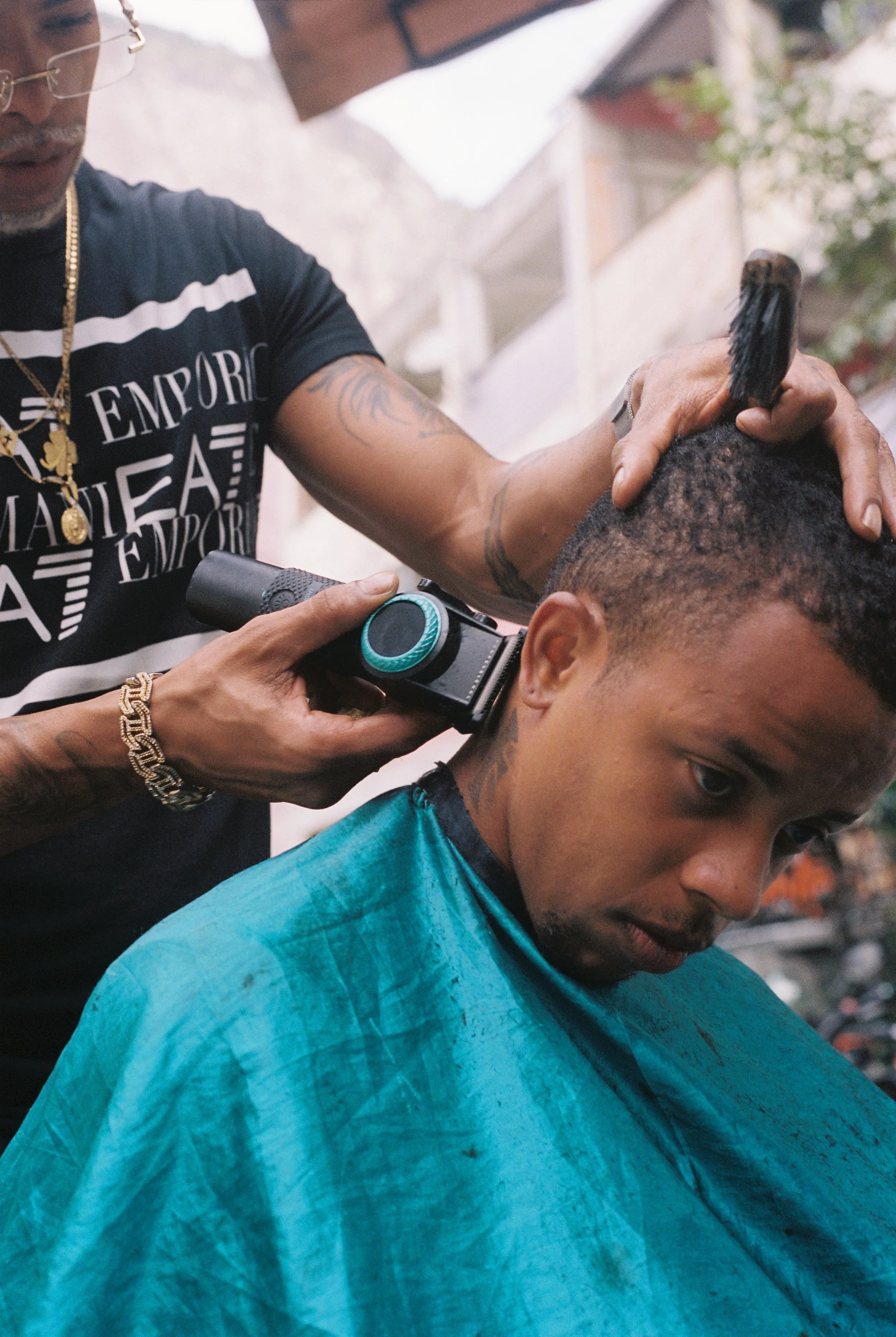
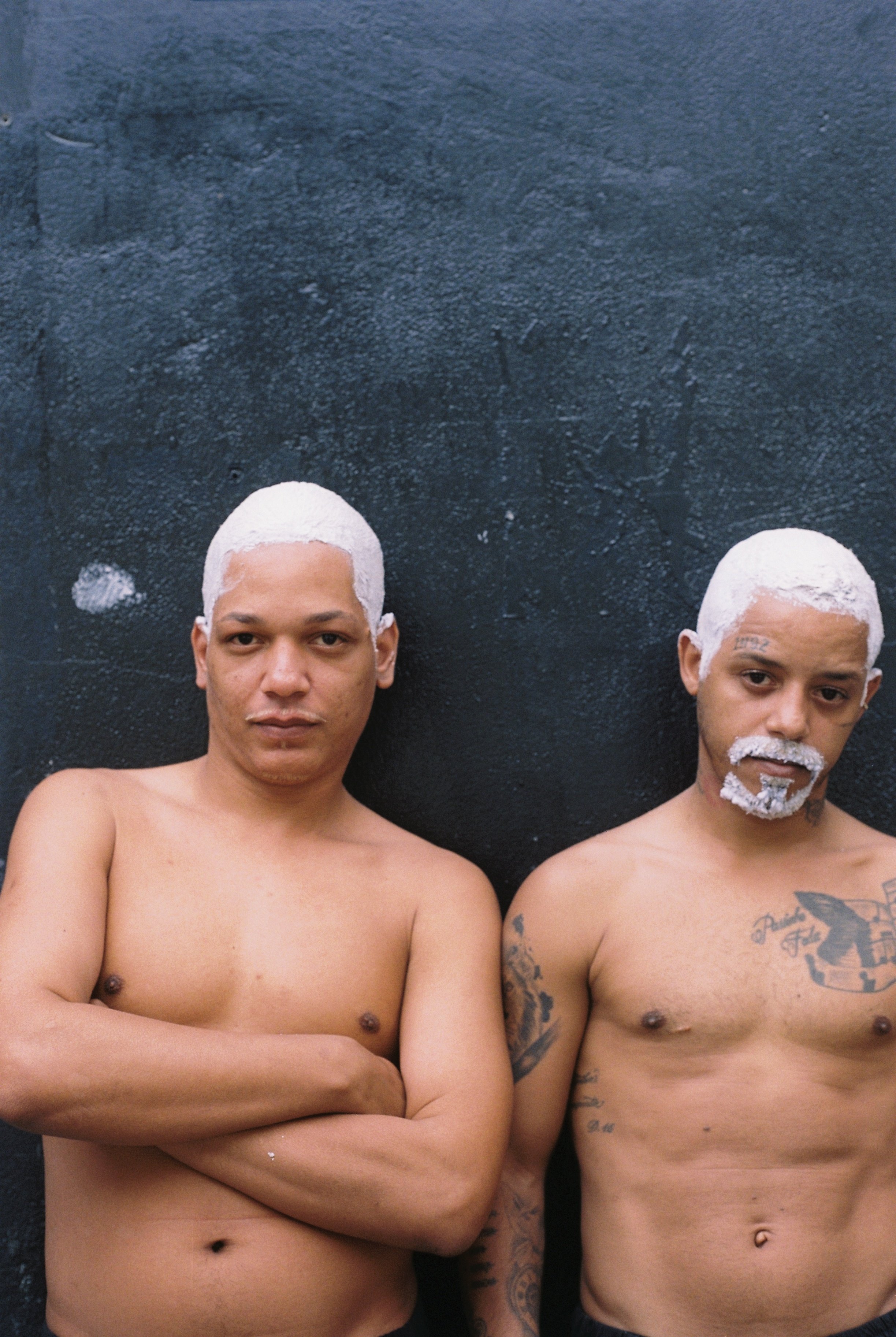
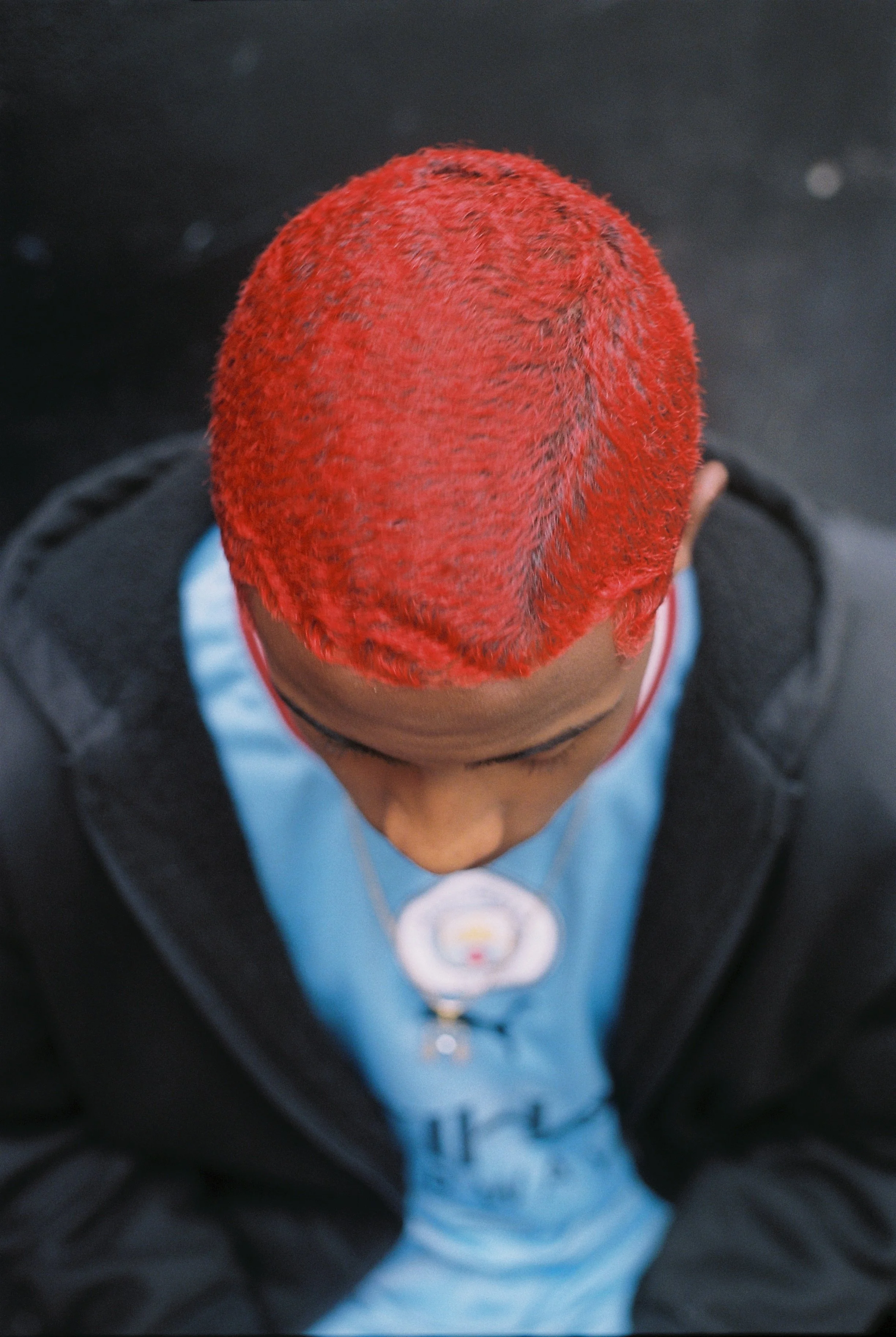
Working alongside local barber Maquininha do Corte, the project looks at hair bleaching as a form of belonging, a language of its own born from Rio's periphery. The people here shape their own image from the culture around them, rewriting what the fashion industry says beauty should look like. At the heart of it is the Nevou style, "white as the snow," alongside cuts like the disfarçado and reflexo alinhado. Each one, shaped in the favela's barbershops, carries the same thread: authenticity, pride, and a haircut that means something far bigger than hair.
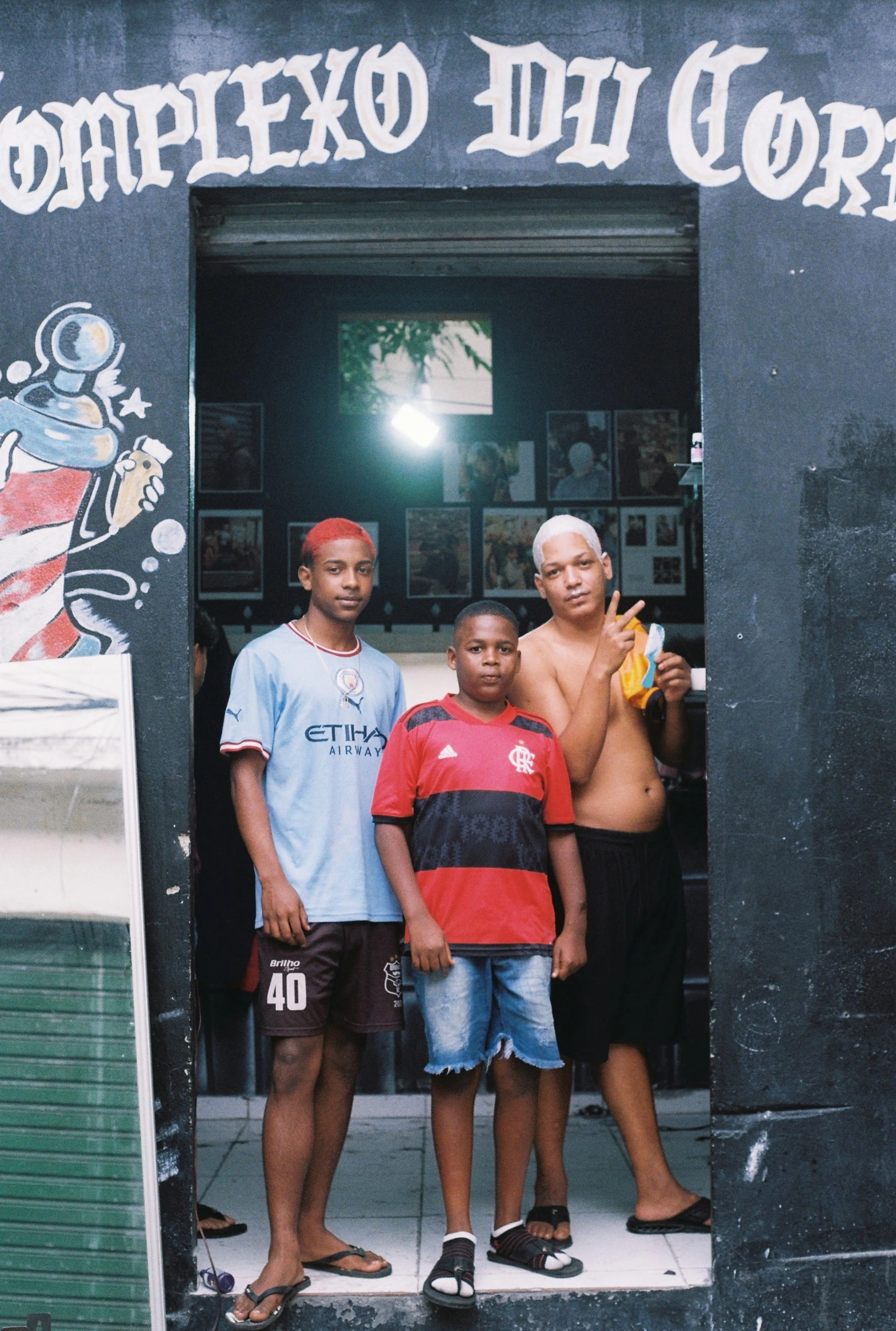
During this series, Violeta Reveilleau photographed the local youth that goes to the barbershop ‘Complexo du Corte ’ in Rocinha, to have their hair bleached by the barber Maquininha.
Credits:
Photographer: Violeta Reveilleau @violetareveilleau
Barber: Maquininha do Corte @maquininhaducorte
Boys:
Chang @fiel_557
João Victor @_jottave777
Jhoni @jnzsul70
Pablinho Fantástico @pablinhofantastico
Biel
Samuel
Violeta Reveilleau: How do you believe that hair bleaching and haircuts have the strength of local expression and self-affirmation?
Maquininha do Corte: Bleaching and haircuts go far beyond aesthetics. They hold power because they represent identity, expression, and self-affirmation. Within the favela, the neighbourhood, or any reality, hair has always been a way for the guys to show who they are without needing to speak. The sharp line-up, the highlights, the bleaching... all of this carries personality, attitude, and confidence. Often, the client sits in the barber’s chair wanting to change not only their look, but also their self-esteem and the way they see themselves.
The barbershop has become a space of transformation, where local style gains strength, creates trends, and shows that our culture also inspires the world. Today, the haircut is language, it is presence and self-respect.
VR: How do you see the impact of your work on the way boys express themselves through haircuts?
MC: I see my work as much more than just giving haircuts or doing bleaching. In the periphery, appearance is a form of identity, respect, and self-esteem. Each haircut carries personality, history, and attitude. When a young guy sits in my chair, he often doesn't just want to change their hair; he wants to feel seen, confident, and valued.
As a digital barber, I also show that the favela has talent, creativity, and vision. My work has an impact because it inspires other young people to believe in their own potential, to express themselves without fear, and to understand that style is also voice and a form of representation.
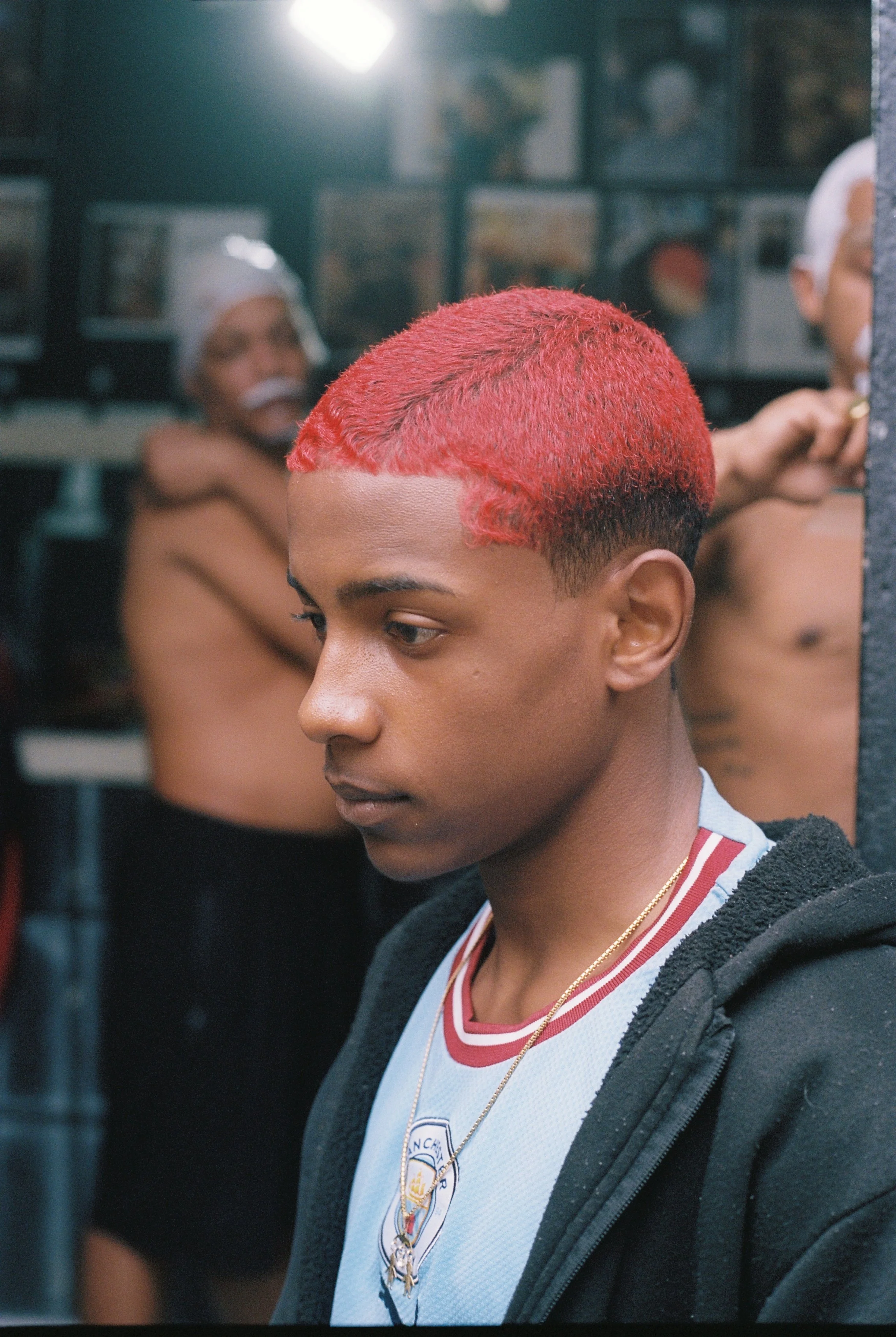
“Within the favela, the neighbourhood, or any reality, hair has always been a way for the guys to show who they are without needing to speak.”
VR: Have you seen things change since you started out in the scene?
MC: Definitely, it has changed a lot. When I first started out, haircuts were seen more as just aesthetics. Today, I see that they’ve become a strong form of identity and expression for peripheral youth. People want to see themselves in their own style, show personality, and even show confidence through their appearance.
And with social media and the digital world growing, the barber’s work has gained even more strength. Today, we don’t just cut hair, we influence, inspire, and help boost the self-esteem of many young people from the favela who dream big, just like we do.
“Carioca peripheral fashion has always been very powerful because it is born from lived experience, creativity, and the reality of the favela. The way of dressing, their haircuts,
accessories, everything carries identity, history, and attitude.”
VR: Carioca peripheral fashion is very rich and offers a strong, unique way of expressing oneself through style. How do you see this strength of expression and identification taking shape over the years, especially with the increasing visibility it has been gaining?
MC: Carioca peripheral fashion has always been very powerful because it is born from lived experience, creativity, and the reality of the favela. The way of dressing, their haircuts, accessories, everything carries identity, history, and attitude.
For a long time, this was undervalued, but today the world has started to recognise the cultural power that has always existed within these communities. I see this evolution as a way for the periphery to occupy space and show that trends are also born here. What was once seen only as ‘favela style’ now influences music, fashion, social media, and major brands. And most importantly, peripheral youth have come to take pride in showing who they are, without needing to copy anyone else. Aesthetics have become voice, self-esteem, and representation.
VR: The global consumption of this aesthetic is becoming increasingly strong. Do you think it is important to be careful for this expression and self-identification to not be appropriated by the industry and sold globally as a consumer aesthetic, detached from its history and the people within it?
MC: I consider this very important, because peripheral aesthetics were not born as a fashion trend, it was born from the lived experience, the struggles, and identity of favela communities. The haircuts, clothing, posture, and style all carry history, culture, and resistance. So when the industry takes this and sells it purely as a product, without recognising who created it and where it comes from, it ends up erasing its true meaning and origins.
At the same time, I think it is powerful to see peripheral aesthetics gaining global visibility, because it shows the cultural strength that exists here. But what matters most is that people from the periphery are valued alongside this expansion and recognition. It is not just about consuming the style; it is about respecting its origins, giving voice to those who live this reality, and creating real opportunities for the artists, barbers, creators, and young people who have turned this into a form of cultural expression.