From Silence to Screen: A Daughter-Director Confronts Maternal Addiction and Inherited Pain
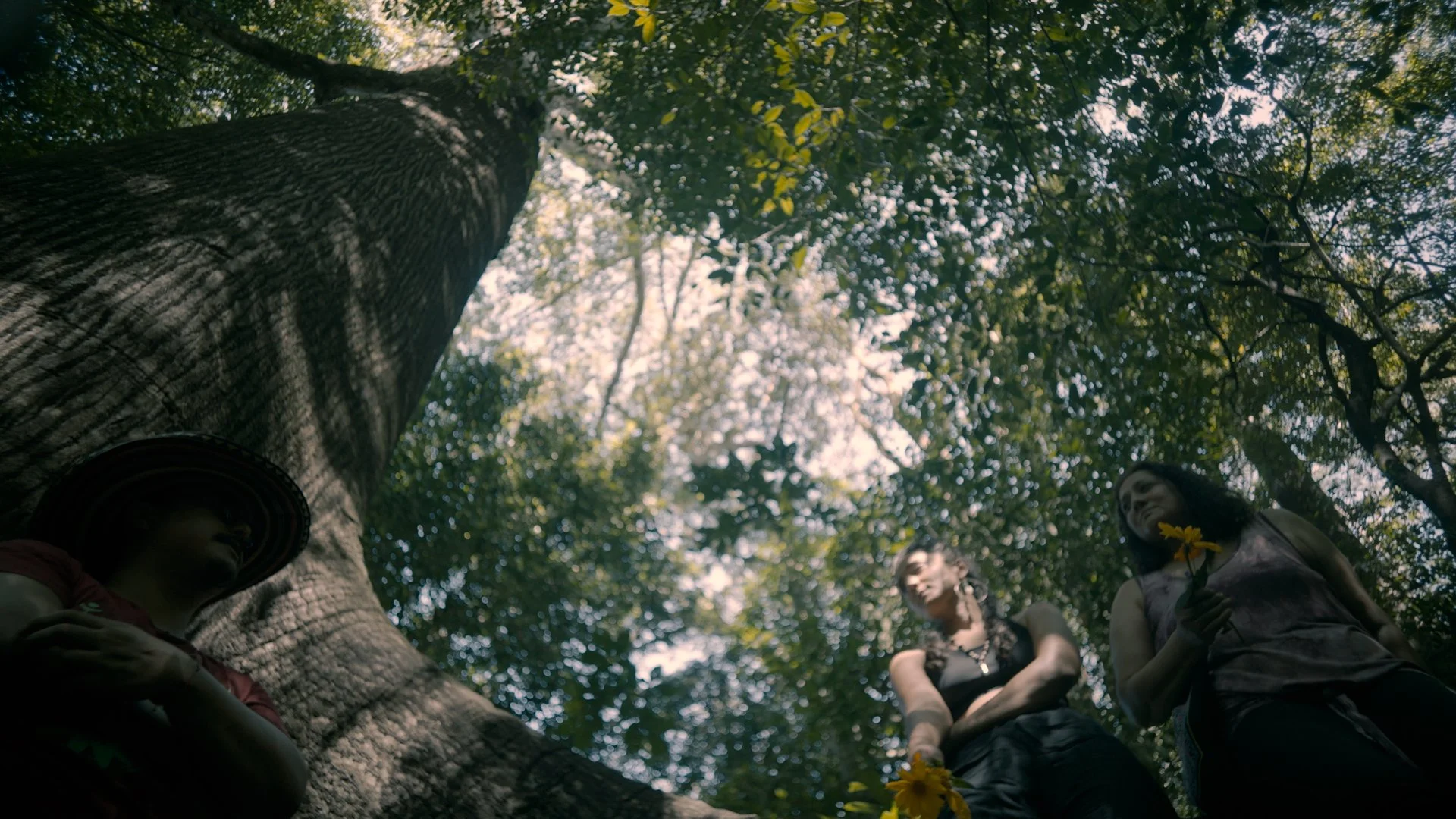
“Am I filming from love or am I filming from fear?” This is the question that London-based filmmaker, storyteller and integrative coach, Maleena Pone, was constantly asking herself when filming her debut Channel 4 documentary Saving Mum: Our Family Secret. The documentary explores three generations of the British Indian director’s family as she explores her mother’s struggles with alcoholism alongside the complexities of Indian heritage, which it is often at odds with.
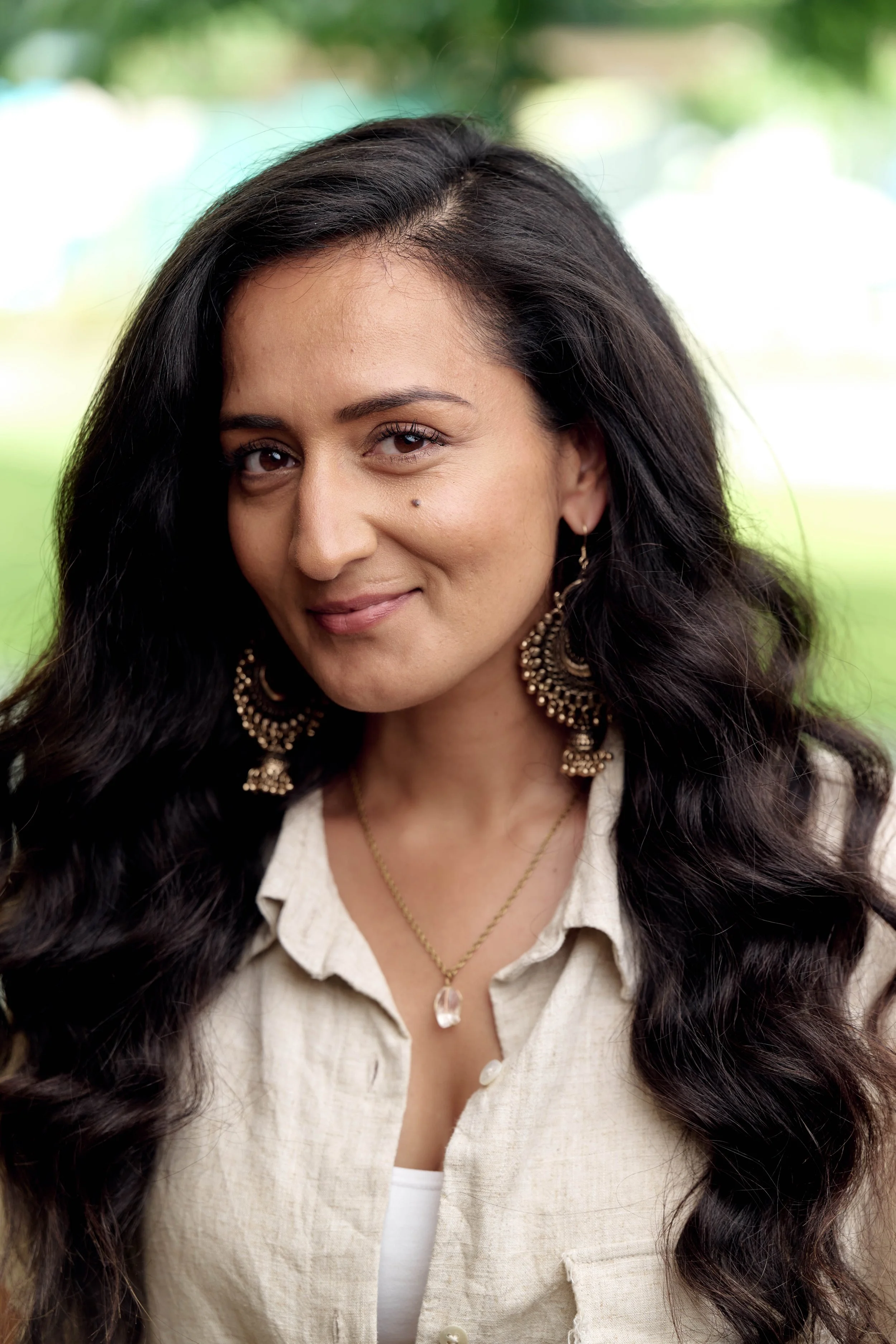
Image by Mikael Buck
As a director, producer, speaker, creative and mentor, she is reshaping what it means to tell the truth on screen. Airing on 10th December 2025, the documentary confronts silence, grief, and inherited trauma. Growing up in a bustling Southampton, Maleena experienced the chaos of immigrant family life and the isolation of being one of the few Asian families in rural England. At seventeen, she launched a community radio station, learning to write and produce, before moving into journalism and commercial content.
Maleena’s training as a trauma-informed life coach now shapes her approach to filmmaking. She directs with care, nervous system awareness and consent, creating space for people to show up fully and authentically. Her work focuses on supporting people to prioritise depth and honesty, supporting people to reveal their raw, unfiltered selves while exploring stories of healing, identity, and cultural reclamation.
Sol Rei: In ‘Saving Mum’, you are confronting a legacy of silence. What specific silences existed within your family, and what made them so hard to confront?
MP: On the surface, my mum, my sister, and I communicated a lot; you can see that in the film. But whenever we tried to reach for what was underneath the symptoms of the pain, my mum would shut down. She only spoke about the hard things when she’d been drinking or when everything spilt out in an emotional explosion.
So you become hypervigilant. You learn what you can and cannot say. You learn which truths might tip everything over. And over time, even though the love is there, the deeper conversations become impossible. And culturally, there’s this conditioning - we were speaking, but people struggled to hear us because it sounded like complaining or not coping.
I often felt that our family pain was seen as “a choice” rather than an illness, or something that deserved compassion and intervention. So all three of us - me, my mum and my sister - inherited this idea that saying too much made other people uncomfortable. Outside our home, those conversations simply didn’t happen. It felt easier, at times, to say nothing at all.
SR: In this film, you span three generations of women. How did you see the patterns of trauma repeat themselves, and where did you see them break?
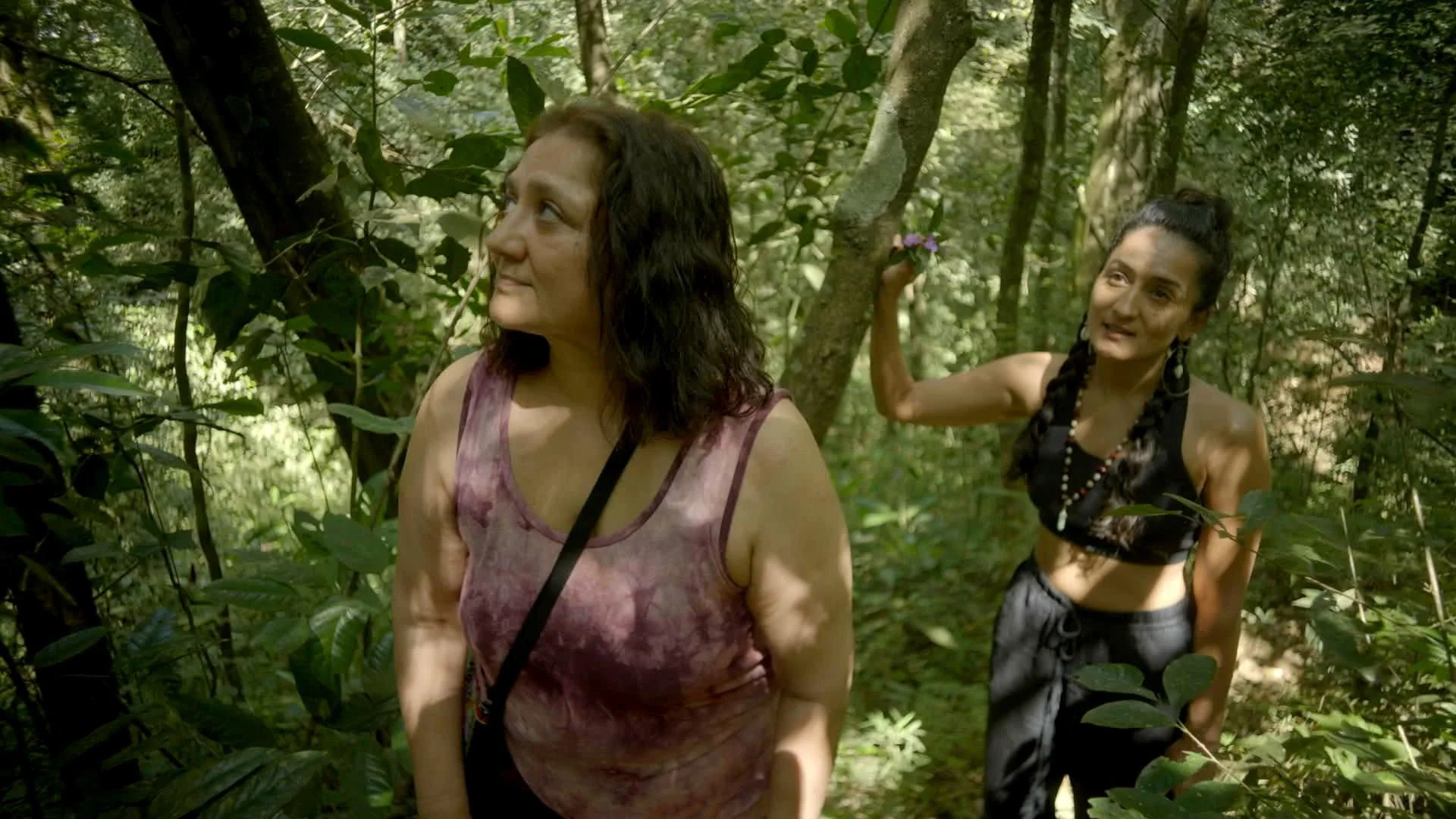
MP: I filmed with my grandmother and my sister quite extensively, although their footage didn’t make the final cut. Mainly because this particular journey was really about my mum and me, and protecting them both felt important. But through that filming, I learned so much about how deeply inherited the conditioning is - especially around duty, self-abandonment and trying to save everyone but yourself. Women in my family, like so many women of colour, have always carried everything: the emotional load, the cultural expectations, the silence, the shame. I saw patterns of suppression, survival and emotional minimising repeating over and over again. And I saw them start to break when we allowed ourselves to speak honestly, to be seen, to release the pressure to perform our lives perfectly. As we evolved as multifaceted women, our old community structures, while familiar, weren’t always fit for purpose. This film marks the moment we began rewriting that inherited script.
“Healing isn’t linear or glamorous, but it is possible for you, your mum and your whole lineage. Your story matters. And so do you.”
SR: ‘Saving Mum’ is your directorial debut. How does it feel that your first documentary centres on your relationship with your mother?
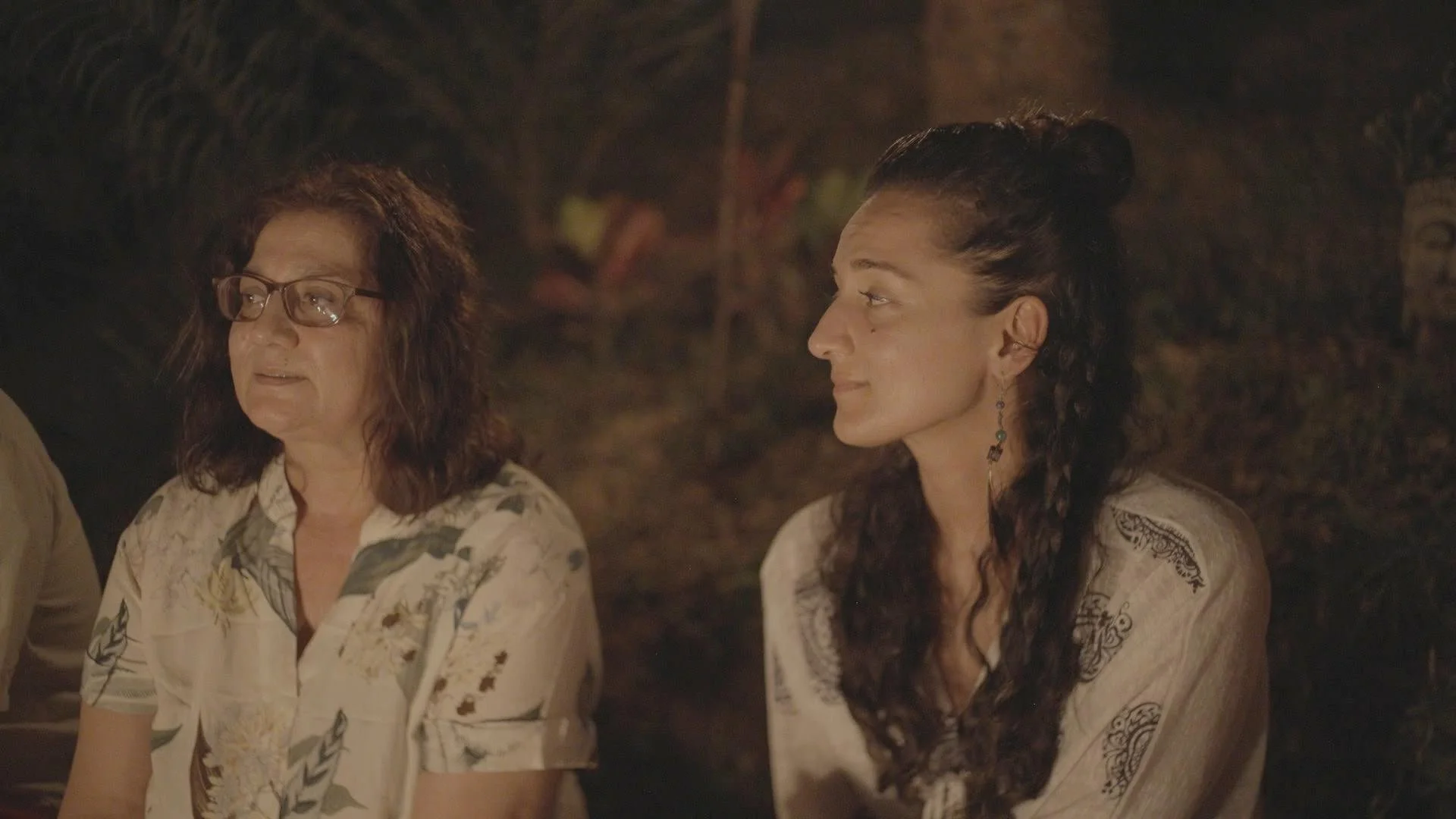
Maleena Pone: Tender, terrifying, necessary. And strangely grounding. It also tells people exactly what kind of filmmaker I am. I’m not just here to be a gun-for-hire. I’m here to make work that carries humanity, intimacy and integrity. I’ve always believed there are two types of filmmakers: professional creatives and artists who are using their craft to say something true. To make this film, I had to be as vulnerable as I ask others to be. That doesn’t mean future work will always be personal, but it does mean I’m committed to giving as much as I take. That’s how we avoid turning trauma into a commodity. It’s how we keep storytelling sacred.
SR: When did you realise that turning the camera toward your family story was something you needed to do, as a filmmaker and as a daughter?
MP: It happened when I realised the story wasn’t just about healing, plant medicine or alcohol addiction - I had originally wanted to make a film exploring the mother wound in other families, but soon realised the story that wanted to emerge was very much my own. It was about grief, abandonment, identity, cultural loss - everything beneath the surface. And a part of me, especially my inner child, needed this process. Watching the rushes back was deeply healing. I became a parent to myself in the edit. Working with a therapist alongside the process from an organisation called Film In Mind also helped me hold the questions that were coming up. So yes, as much as this film was for my mum, it was also for the girl I used to be.
SR: How did you balance telling your mother’s story whilst also honouring your own?
MP: By being honest about the fact that our stories are intertwined. I couldn’t tell hers without acknowledging the impact on me, and I couldn’t tell mine without understanding her wounds. The balance came from intention: I wanted to show her complexity without judgement, to honour the woman she is beyond one chapter of her life. That felt like the most loving way to hold both of us.
“I’m here to make work that carries humanity, intimacy and integrity.”
SR: In ethnic families and communities, there is often an unspoken rule to keep pain private. What has the response from your community been like?
MP: It’s been overwhelmingly compassionate. I expected judgment. What I’ve mostly felt is understanding and relief. People have said, “We’ve lived this, but we’ve never seen it met this way.” It reminded me that silence doesn’t mean people are fine - it means they’re tired of carrying things alone. At the same time, I’m very aware that some will find it confronting. Challenging the status quo is uncomfortable. And not everyone will agree with the intervention (Ayahuasca) we chose to document. But for me, the film was never about promoting a particular method; it was about showing how far a family will go to try and interrupt the grip of grief, unhealthy coping mechanisms, and years of misunderstanding. This film exists because we kept trying. That’s the heart of it.
SR: What would you say to a daughter watching ‘Saving Mum’ who sees her own story reflected in yours?
MP: You’re not alone. You’re not wrong for wanting more. And you’re not disloyal for speaking your truth. Loving someone doesn’t mean losing yourself in the process. You deserve to be loved, to be seen, to be held. You don’t have to inherit the pain that came before you. And it’s also okay to put boundaries in place. Sometimes that comes before people are ready to meet you. But your healing will call the right people forward - including, sometimes, your own family. Healing isn’t linear or glamorous, but it is possible for you, your mum and your whole lineage. Your story matters. And so do you.